
From a Small Village in Yavatmal to IIHS Bengaluru: The Inspiring Journey of Shital Sangewar
- 11 months Ago
- 0 Comment
- 5 Min Read
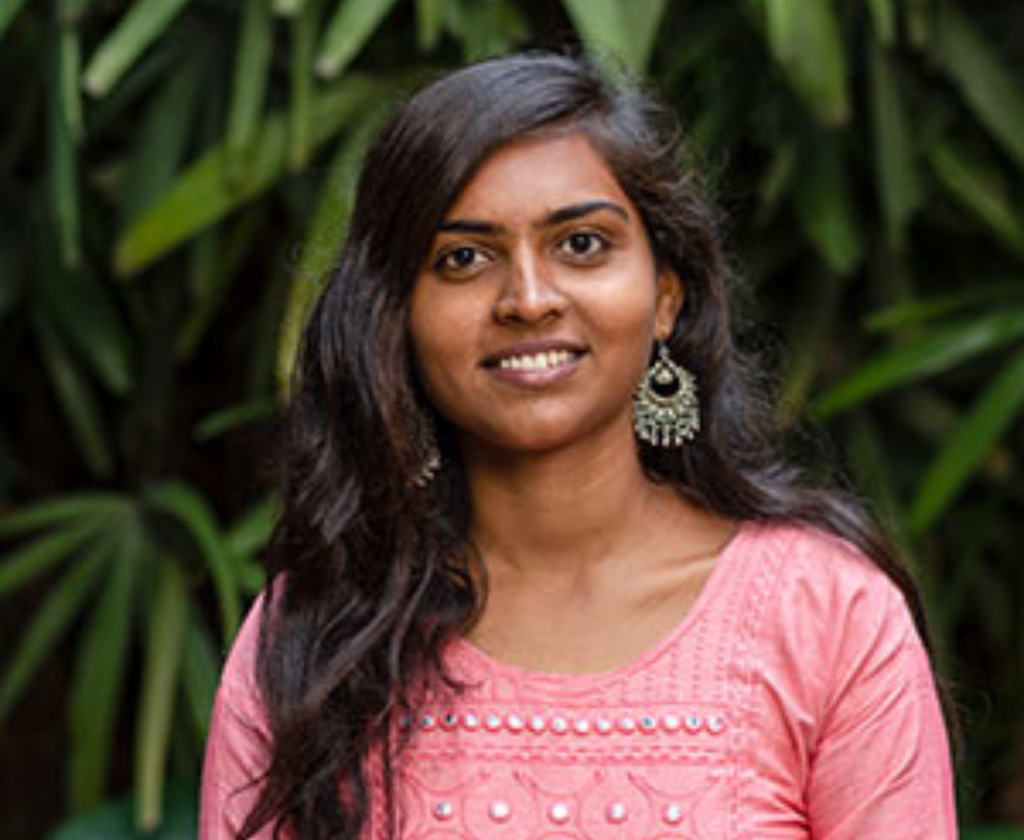
In the small village of Sawar, located in Maharashtra’s Yavatmal district, opportunities for higher education are often limited. For many young girls, dreams are shaped by the boundaries of their surroundings. But for Shital Sangewar, education became a pathway to something larger — a journey of resilience, courage, and transformation.
Today, Shital has been selected for the prestigious Urban Fellowship Program (UFP) at the Indian Institute for Human Settlements — a remarkable achievement for a first-generation rural learner who once struggled simply to access a classroom.
Her story is not just about academic success; it is about overcoming uncertainty, breaking social barriers, and redefining what is possible for young women from marginalized rural communities.
Growing Up in Sawar: Dreams Amid Limited Opportunities
Shital was born into a family of small-scale farmers in Sawar village. Her parents, despite their hard work and determination, had very limited formal education — her mother studied till the sixth standard and her father till the ninth.
Like many rural families, they had little exposure to higher education or professional career pathways. Survival and farming shaped everyday life, and educational guidance was almost nonexistent.
Yet, even in these circumstances, Shital developed a quiet but powerful love for learning. In a place where dreams were often constrained by social realities, education became her form of resistance.
Schooling Filled with Daily Struggles
Shital completed her primary education in her village before joining the Government Ashram School in Kapra, travelling nearly 3 kilometres every day to attend classes.
The journey was not easy.
Resources were scarce, academic support was limited, and there was little awareness about future educational opportunities. Despite these challenges, Shital remained committed to her studies.
Her younger brother eventually completed high school and joined the family in farming, while Shital continued pushing forward in search of something beyond the familiar boundaries of village life.
College Life: Hitch-Hiking for Education
After finishing school, Shital enrolled in a Bachelor of Science (BSc) program at Matoshri Nanibai Gharphalakar Science College.
College life introduced a completely new set of struggles.
There was no regular bus service connecting her village to the college. To attend classes, she often had to hitch-hike daily — relying on uncertain transportation just to continue her education.
Inside the classroom, things were equally difficult.
Large lecture halls offered little personalised support, and as a first-generation learner, Shital often struggled to understand complex concepts without guidance. Reflecting on those years, she recalls:
“We would barely understand what was taught. We just went to appear for exams.”
After graduation, uncertainty followed. For nearly two years, she remained at home, unsure about her future and with no clear direction or mentorship to guide her.
The Turning Point: Discovering Eklavya India Foundation
Everything changed when one of Shital’s close friends introduced her to the Eklavya India Foundation.
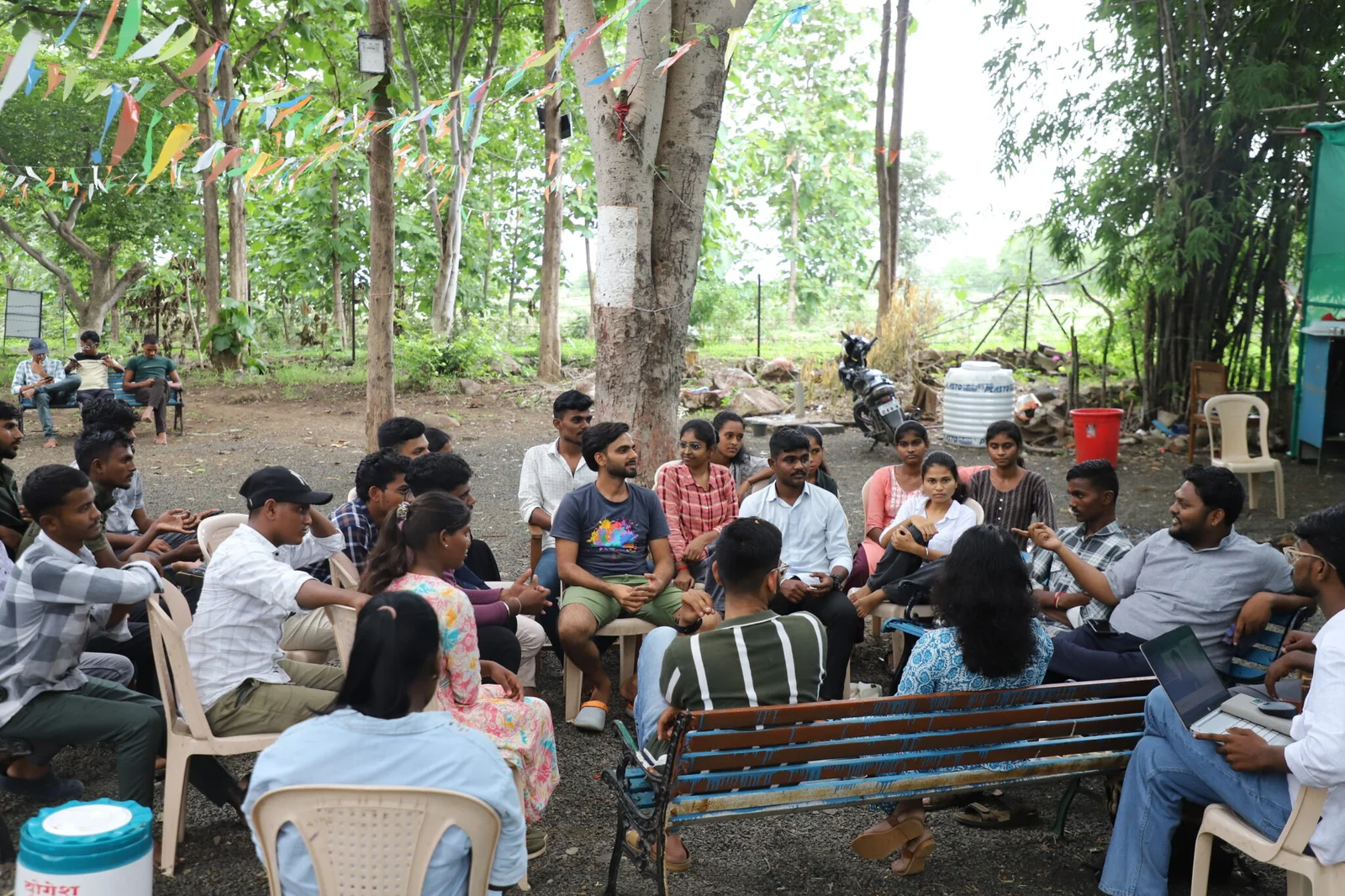
For the first time, Shital encountered an ecosystem that encouraged young first-generation learners to dream bigger. Through workshops, mentorship, online sessions, and exposure to diverse career pathways, she slowly began understanding the possibilities that existed beyond her village.
Eklavya provided not only information but also confidence — something many rural students are rarely given access to.
It was during one such session that Shital first learned about the Urban Fellowship Program (UFP) at the Indian Institute for Human Settlements in Bengaluru. The program immediately sparked her curiosity.
Encouraged by mentors and peers, she decided to apply.
Selection into the Urban Fellowship Program at IIHS
Shital’s selection into the Urban Fellowship Program marked a defining moment in her life.
However, securing admission was only part of the challenge.
Convincing her parents to allow her to move to Bengaluru was difficult. For a family unfamiliar with higher education and urban environments, sending their daughter to another city felt uncertain and risky.
But with persistence, patience, and support from Eklavya mentors, Shital gradually helped her family understand the importance of this opportunity.
In July 2022, during the Eklavya First-Generation Students Achievement Meet, Shital was felicitated by the District Magistrate — a moment that symbolized how far she had come from her small village in Yavatmal.
Beginning a New Chapter
At the Urban Fellowship Program, Shital began exploring fields that once seemed unimaginable:
- Urban development
- Public systems
- Social change
- Inclusive planning
For someone who once struggled simply to access educational guidance, studying these subjects in a national-level fellowship program represents an extraordinary transformation.
Today, Shital stands as one of the first women from her community to enter such a prestigious academic space. More importantly, she has become a source of inspiration for countless first-generation learners, especially young rural women who hesitate to dream beyond social expectations.
A Story That Represents Thousands
Shital Sangewar’s journey is deeply personal, but it also reflects the realities faced by thousands of rural students across India.
It is a story of travelling long distances for education, navigating confusion without mentorship, facing social barriers, and still refusing to give up.
Her journey reminds us that talent exists everywhere — but opportunities do not.
With the right exposure, mentorship, and support systems, first-generation learners can transform not only their own lives but also the aspirations of entire communities.
From hitch-hiking to college classrooms to reaching Bengaluru for one of India’s most respected fellowship programs, Shital’s story stands as a powerful example of resilience, possibility, and hope.
- 11 months Ago
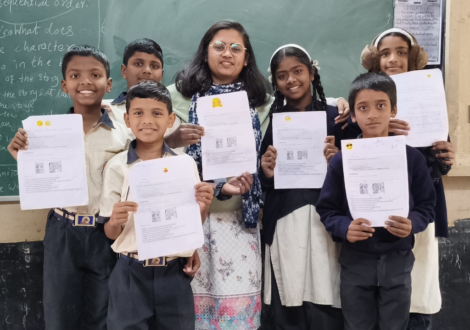
From a rural village in Chhatrapati Sambhaji Nagar to one of Maharashtra’s most prestigious fellowships, Pratiksha Jadhav’s journey is a story of grit, courage, and transformation
- 11 months Ago
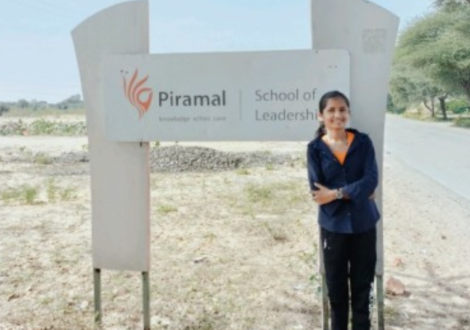
In the remote village of Umari in Maharashtra’s Yavatmal district, where girls’ education is often overshadowed by tradition and financial hardship, Ekta Rathod’s story emerges as a powerful reminder of resilience, hope, and determination.
- 11 months Ago
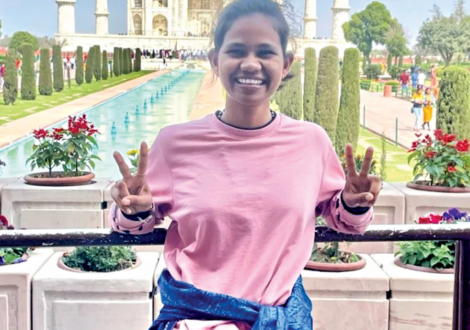
Kiran Kurmawar was born in Regunta, a small village in the tribal district of Gadchiroli,
Maharashtra. Her parents worked tirelessly to run their household, and though they had